Toys Keeper

Main Menu

  • Home
  • Build A Playhouse
  • Ravens Design Shop

ad7

ad9

ad1 playhouse250

ad8

  1. You are here:  
  2. Home
  3. Build A Playhouse

Playhouse on Stilts - Garden Rooms

 stilts

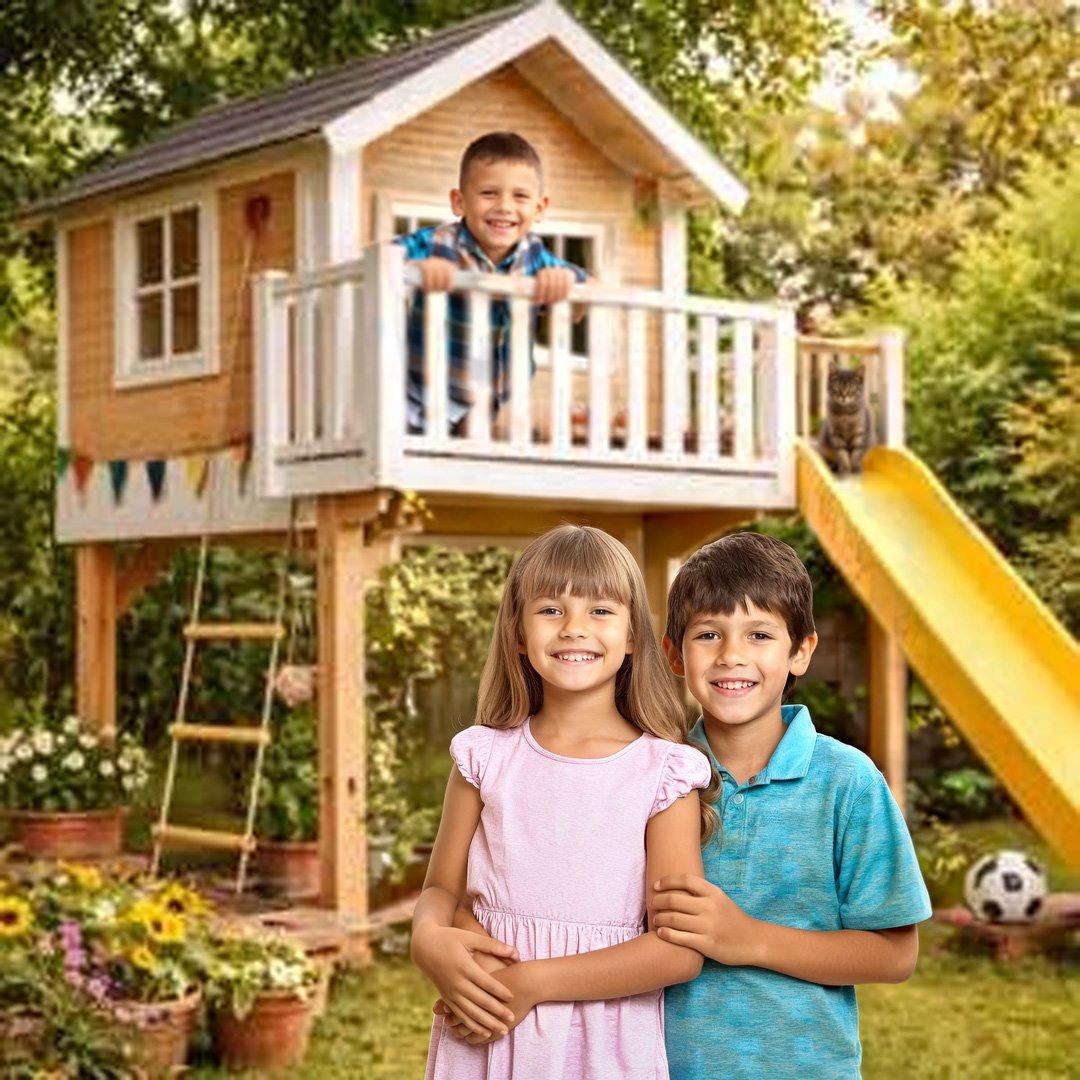
Explore how a raised playhouse can create a magical children’s retreat above and a useful garden room below.

A playhouse on stilts is one of the most imaginative and practical ways to transform a backyard. It combines the excitement of a treehouse-style hideaway with the usefulness of a garden room, creating a design that feels playful, smart, and visually striking at the same time. Instead of using valuable yard space for a simple ground-level structure, this elevated approach opens up possibilities both above and below.

For children, a raised playhouse instantly feels more exciting than an ordinary backyard building. Climbing up to a special space gives them a sense of adventure, independence, and imagination. For parents, it offers something equally valuable: a more efficient use of outdoor space, better protection from moisture, and a unique backyard feature that adds charm and functionality.

That is why the idea of playhouse on stilts - garden rooms has become so appealing. These structures are not just places for children to play. They are dual-purpose backyard features that can serve as elevated playrooms, shaded lounge spaces, storage zones, mini patios, or creative garden escapes.

What Is a Playhouse on Stilts?

A playhouse on stilts is a small structure raised above the ground on strong support posts. It is similar in spirit to a treehouse, but it is often freestanding rather than attached to a tree. The house itself sits on a raised platform supported by vertical posts, beams, joists, and bracing.

This elevated structure creates a dedicated play space above while leaving usable area beneath it. That lower area is where the “garden room” concept comes in. Instead of the footprint serving only one purpose, the raised design allows you to create two separate zones in the same backyard space.

Depending on the design, the lower level can be left open as a shaded play area, turned into a small seating nook, used for toy and garden storage, or styled as an outdoor retreat. This makes a playhouse on stilts far more versatile than many standard playhouses.

Why Garden Rooms and Elevated Playhouses Work So Well Together

The phrase garden rooms fits this idea beautifully because the space below a raised playhouse can function like an outdoor room. It is protected from direct sun, has a clear boundary, and can be styled in ways that make it feel cozy and useful. In smaller yards especially, this design helps make the most of every square foot.

A shaded area under the playhouse can become a reading corner with cushions, a little café area for pretend play, a sandbox, or a quiet sitting space for parents. Some families even use it as a compact storage area for tools, outdoor toys, or gardening supplies. Instead of wasting the space below, you turn it into part of the overall experience.

This dual-purpose design is what makes playhouse on stilts - garden rooms such a powerful concept. It blends imagination with practical outdoor living.

Benefits of a Playhouse on Stilts

Maximizes Backyard Space

One of the biggest benefits of building a raised playhouse is that it gives you two usable zones within one footprint. In a compact backyard, this can make a major difference. Instead of choosing between a playhouse and another outdoor feature, you can enjoy both levels at once.

Creates More Adventure for Kids

Children naturally love elevated spaces. A playhouse on stilts feels exciting because it is off the ground and slightly separated from the rest of the yard. That sense of elevation turns an ordinary structure into a destination. For many kids, climbing stairs or a ladder into a small house feels like entering a secret world.

Adds Visual Appeal

Raised playhouses often look more distinctive than ground-level structures. They can resemble mini cottages, tiny cabins, or freestanding treehouses, which gives the backyard a more charming and custom-designed appearance. This makes them both playful and decorative.

Improves Drainage and Airflow

By lifting the structure off the ground, you reduce its direct exposure to wet soil and standing moisture. Air can move beneath the floor platform, which helps the structure dry more quickly after rain. In damp climates, this can extend the life of the playhouse significantly when combined with the right materials and finishes.

Offers Flexible Long-Term Use

As children grow, a raised playhouse can evolve with them. What begins as a play area may later become a reading retreat, a quiet hangout space, or even a charming garden feature that remains useful after the early play years are gone.

Basic Structural Components of a Playhouse on Stilts

A safe and durable elevated playhouse depends on strong structural support. This is not a lightweight decorative feature. It is a raised building that must be planned and built with stability in mind.

Main structural elements include:

  • Vertical support posts such as 4x4 or 6x6 lumber
  • Beams to connect and support the posts
  • Floor joists to carry the platform load
  • Platform decking or plywood subfloor
  • Wall framing for the upper playhouse
  • Roof framing and weather-resistant roofing
  • Diagonal bracing to reduce sway
  • Guardrails and safe access points

Stability is one of the most important parts of the design. Because the structure is elevated, good anchoring, correct fastening, and proper load support are essential.

Typical Dimensions for a Raised Playhouse

The size of a backyard playhouse on stilts can vary depending on the yard and the age of the children using it. Many family-sized builds fall into a practical range that balances fun, safety, and visual proportion.

  • Platform height above ground: 4 to 8 feet
  • Platform size: 5x5 feet to 8x8 feet
  • Guardrail height: 30 to 36 inches
  • Stair width: 24 to 30 inches
  • Roof height: based on design and local yard scale

These dimensions create a structure that feels adventurous without becoming too large or difficult to manage in a backyard setting.

Access Options for a Playhouse on Stilts

How children get into the playhouse is an important part of both the design and the experience. Access should be chosen based on the age of the children, available space, and the overall style you want.

Common access choices include:

  • Wooden stairs for the safest and easiest access
  • A ladder for a more compact footprint
  • A rope ladder for a more adventurous look
  • A small climbing wall for added play value
  • A slide for coming down from the playhouse

Many families prefer a combination such as stairs up and a slide down. This setup offers practical access while making the structure more fun to use.

Safety Essentials for Raised Playhouses

Any elevated structure must be built with safety as the top priority. A beautiful playhouse means little if it is not stable and secure. Because the structure is off the ground, safety details are not optional.

Important safety features include:

  • Proper anchoring of posts in concrete or on approved footings
  • Strong beams and joists sized for the expected load
  • Diagonal bracing to prevent wobble
  • Guardrails on all open edges
  • Non-slip stair surfaces or secure ladder rungs
  • Smooth, sanded edges to reduce splinters
  • Exterior-rated hardware and fasteners

It is always better to overbuild a raised playhouse than to underbuild it. Stability, strength, and careful finishing should guide every step of the project.

Weather Considerations for Garden Room Playhouses

One of the advantages of an elevated design is that it can handle moisture better than a structure placed directly on the ground. Still, weatherproofing matters greatly, especially in rainy climates.

Using pressure-treated posts and floor framing, sealing cut ends, adding good roof overhangs, and keeping all structural wood away from direct ground contact can significantly improve durability. Exterior-rated screws, brackets, and hardware are also important. The lower garden room area should drain well and avoid trapping moisture around the posts.

In many cases, a playhouse on stilts actually performs better than a ground-level structure in damp environments because airflow under the platform helps reduce lingering moisture.

Creative Design Ideas for Playhouse on Stilts - Garden Rooms

One of the most exciting parts of this type of project is the design freedom it offers. A raised playhouse can be styled in many ways depending on the look you want for the yard.

Popular ideas include:

  • Cottage-style playhouse with flower boxes and trim
  • Modern minimalist raised cabin look
  • Rustic treehouse-inspired design
  • Playhouse with a tiny balcony or porch
  • Garden room below with bench seating or a hammock
  • Sandbox or shaded toy zone underneath
  • String lights or lantern-style lighting for charm

The lower area can also be finished in a way that complements the upper playhouse. For example, the top can feel like a storybook retreat while the lower level becomes a calm little garden nook. This balance of function and beauty is part of what makes the concept so appealing.

Is a Playhouse on Stilts Worth It?

For many families, the answer is yes. A raised playhouse gives children a more adventurous experience than a basic structure, while also giving adults a more efficient and attractive use of backyard space. It offers dual functionality, stronger visual impact, and the possibility of long-term use beyond childhood.

Unlike many backyard play features that serve only one phase of life, a well-built elevated playhouse can continue to be useful and charming as the years go on. Even when children outgrow it, the structure can remain a unique garden feature or be adapted into a decorative retreat.

Final Thoughts on Playhouse on Stilts - Garden Rooms

A playhouse on stilts - garden rooms design is one of the smartest and most imaginative ways to combine play, function, and outdoor beauty. It turns a simple backyard project into a two-level experience: a magical retreat above and a useful outdoor room below.

For children, it creates excitement, independence, and a place to dream. For parents, it offers smart space use, visual charm, and long-term value. Whether styled as a tiny cottage, a mini cabin, or a treehouse-inspired hideaway, a raised playhouse adds a sense of wonder to the yard that few other structures can match.

When planned well and built safely, it becomes far more than a playhouse. It becomes a destination.
 

Build A Playhouse Related Articles

  • Contractor Version Blueprint: 6' x 6' Kids Playhouse
  • Creating An Excellent Playhouse
  • Excellent Plans And Playhouse Ideas
  • Free Blueprints To Build Children Playhouses
  • Is It Better To Buy Or To Build Your Own Kids Play House?
  • Kids From All Over The US Designed Their Dream Homes
  • Learn To Build A Playhouse
  • Make Your Kids Happy By Building Them A Playhouse
  • Playhouse on Stilts - Garden Rooms

Is It Better To Buy Or To Build Your Own Kids Play House?

 playhouse2

Compare the real costs, convenience, durability, and emotional value of buying a playhouse versus building one yourself.

For many parents, grandparents, and backyard dreamers, the question eventually comes up: is it better to buy or to build your own kids play house? At first, the answer may seem simple. Buying sounds easier. Building sounds cheaper. But once you look closer, the decision becomes more meaningful.

A kids playhouse is not just another backyard item. It can become a castle, a clubhouse, a tiny cottage, a pirate hideout, or a quiet place where imagination takes over. Because of that, choosing whether to buy or build one is about more than money alone. It is also about time, quality, customization, durability, and the kind of memories you want to create.

Some families want a quick and convenient solution they can set up fast. Others want a long-lasting structure that feels personal and unique. Both options can work well, but each one comes with different benefits and tradeoffs. Understanding those differences makes it much easier to choose the option that fits your family, budget, and lifestyle.

Why This Decision Matters

A playhouse may seem like a simple purchase or weekend project, but it often becomes one of the most loved features in a backyard. Children return to it again and again because it gives them a place of their own. They use it for pretend play, reading, games, quiet time, and shared adventures with siblings or friends.

Because a playhouse can play such a large role in daily life, the choice between buying and building deserves careful thought. A lower-quality option may wear out too quickly. A rushed DIY build may lead to frustration if it is not planned properly. On the other hand, the right decision can lead to years of fun, stronger family memories, and a better use of your money.

The Benefits of Buying a Kids Playhouse

Buying a playhouse is the easiest path for many families. It is the obvious choice for people who want convenience, speed, and minimal effort. Store-bought playhouses are often designed to be attractive, colorful, and ready to use with limited setup.

Advantages of buying a playhouse:

  • Fast and convenient
  • Little or no building skill required
  • Predictable finished appearance
  • Often available in plastic or lightweight wood options
  • Easy for families who want something ready right away

For busy parents, this convenience can be a major advantage. Some playhouses arrive nearly assembled, while others only require basic setup. This can make buying feel like the least stressful option, especially when time is limited.

Store-bought playhouses are also helpful for families who do not own tools or have no interest in construction projects. If you want a playhouse in place quickly without measuring, cutting, or painting, buying may be the right move.

The Drawbacks of Buying a Kids Playhouse

Although buying offers convenience, it can come with limitations. One of the biggest issues is cost. A prebuilt or boxed playhouse can become expensive, especially when you factor in shipping, delivery, or premium features. In many cases, you are paying more for convenience and brand packaging rather than stronger materials.

Common disadvantages of buying:

  • Higher upfront cost
  • Limited customization
  • May use thinner or lower-grade materials
  • Can wear down faster in harsh weather
  • May not fit your yard as well as a custom design

Plastic playhouses are popular for younger children, but they may fade in sunlight or feel less sturdy over time. Lightweight wooden kits may look charming, but not all are built for long-term outdoor durability. If you live in a rainy or damp climate, this can become especially important. Moisture, wind, and temperature changes can shorten the life of a lower-quality playhouse.

The Benefits of Building Your Own Kids Playhouse

Building your own playhouse gives you something buying cannot fully match: control. When you build, you decide the size, shape, materials, paint colors, roof style, windows, trim, and overall character of the structure. That freedom can make a huge difference.

Advantages of building your own playhouse:

  • Usually lower cost than buying a premium model
  • Better control over materials and quality
  • Custom size and layout for your yard
  • More durable if built correctly
  • Greater emotional value and personal satisfaction

A DIY playhouse can often be built for less than the cost of a high-end prebuilt option, especially if you already own basic tools. More importantly, you can choose strong materials that are appropriate for your climate. Pressure-treated lumber, solid framing, and weather-resistant roofing can dramatically improve the life of the structure.

Building your own playhouse also allows you to create something unique. You can add flower boxes, a tiny porch, a chalkboard wall, a reading bench, or a custom sign with your child’s name. That level of personalization can turn a simple backyard structure into something truly memorable.

The Drawbacks of Building Your Own Playhouse

Of course, building is not the right choice for everyone. It requires time, effort, tools, and some level of confidence. Even a simple playhouse needs careful measuring, cutting, assembly, and finishing. If you are short on time or dislike DIY work, building can feel overwhelming.

Common disadvantages of building:

  • Takes more time than buying
  • Requires tools and workspace
  • Needs planning and attention to safety
  • Mistakes can increase cost if materials are cut wrong
  • May feel challenging for beginners without a clear plan

That said, many playhouse builds are simpler than people expect. With a solid blueprint and a straightforward design, a beginner can often complete a basic playhouse over a weekend or a few focused work sessions. The key is starting with a manageable plan instead of trying to build something overly complicated right away.

Cost Comparison: Buy vs Build

Cost is one of the biggest reasons families compare these two options. In general, buying a playhouse costs more upfront, while building one often saves money if you already have the necessary tools.

FactorBuying a PlayhouseBuilding a Playhouse
Initial cost Often higher Usually lower to moderate
Tool investment None or minimal Basic tools required
Material quality Fixed by manufacturer Chosen by builder
Customization Limited High
Long-term durability Varies widely Often better if built well

A budget DIY playhouse may cost less than a premium store-bought model while still giving you stronger framing and a more customized result. On the other hand, if you must buy every tool from scratch, the savings may become smaller. That is why the real comparison depends on your starting point.

Convenience vs Long-Term Value

Buying usually wins when convenience matters most. If you need a playhouse quickly and want to avoid the time and effort of construction, a prebuilt or boxed model makes sense. It is the fastest way to get something in the yard and ready for use.

Building, however, often wins when long-term value matters most. A carefully built playhouse can be stronger, more weather-resistant, and better suited to your yard. It can also be repaired or upgraded more easily over time. Instead of replacing a flimsy structure after a few seasons, you may end up with a playhouse that lasts for years.

Customization Is Where Building Really Stands Out

One of the strongest arguments for building is customization. When you buy a playhouse, you choose from what manufacturers offer. When you build, you create something based on what your child would actually love.

You can choose a cottage design, a cabin look, or a simple modern style. You can match the colors to your home, fit the dimensions to a specific corner of your yard, and add features that matter to your family. That flexibility can make the finished playhouse feel much more special than a standard kit.

This is especially important if you want the playhouse to grow with your child. A homemade structure can be designed slightly larger, built sturdier, and upgraded with new features as interests change.

Weather and Durability Matter More Than Many People Realize

Climate can strongly affect whether buying or building is the better choice. In dry conditions, many playhouses hold up reasonably well. In rainy, damp, or windy areas, durability becomes far more important.

A DIY build allows you to use pressure-treated lumber for the base, proper roofing materials, exterior screws, caulk, sealant, and weather-resistant paint. These choices can make a major difference in how long the structure lasts. Store-bought models vary greatly in quality, and some simply are not designed for years of exposure to tough weather.

That means families in wetter climates often benefit more from building their own playhouse or choosing a very high-quality purchased option.

The Emotional Value of Building

This is one part of the conversation that cost charts cannot fully capture. A purchased playhouse is something you provide. A built playhouse is something you create. That difference can be surprisingly meaningful.

Children often remember watching the playhouse go up, helping choose paint colors, handing over tools, or seeing the final structure come to life. Even small moments like painting trim together or adding a flower box can become lasting memories.

For many families, that emotional connection becomes one of the strongest reasons to build. The playhouse is no longer just a product. It becomes part of the family story.

When Buying a Playhouse Is the Better Choice

Buying may be the best decision if you want to keep things simple and move quickly.

You may want to buy if:

  • You have very limited time
  • You do not own tools
  • You do not enjoy construction projects
  • You want something ready as soon as possible
  • You are comfortable paying more for convenience

When Building a Playhouse Is the Better Choice

Building may be the better decision if you want a stronger, more personalized, and more meaningful result.

You may want to build if:

  • You want better long-term value
  • You enjoy DIY projects
  • You want full control over materials and design
  • You need the playhouse to fit a specific yard space
  • You want to create a more memorable family project

Final Verdict: Is It Better To Buy Or To Build Your Own Kids Play House?

The honest answer is that both options can be right depending on your situation. Buying is better for speed, ease, and convenience. Building is better for customization, durability, and long-term value.

If your main goal is to get a playhouse quickly with the least amount of effort, buying is the better path. If your goal is to create something stronger, more personal, and often more cost-effective over time, building your own usually offers more rewards.

So, is it better to buy or to build your own kids play house? If you value convenience most, buy. If you value quality, flexibility, and meaningful memories most, build. The best choice is the one that fits your time, your budget, and the experience you want to create for your family.

Final Thoughts

A kids playhouse is more than a backyard feature. It becomes a space for imagination, laughter, and childhood adventures. However you choose to get one, what matters most is the joy it brings. Still, when families have the time and interest, building often creates something that feels richer than a purchase alone. It creates not just a playhouse, but a story.

Build A Playhouse Related Articles

  • Contractor Version Blueprint: 6' x 6' Kids Playhouse
  • Creating An Excellent Playhouse
  • Excellent Plans And Playhouse Ideas
  • Free Blueprints To Build Children Playhouses
  • Is It Better To Buy Or To Build Your Own Kids Play House?
  • Kids From All Over The US Designed Their Dream Homes
  • Learn To Build A Playhouse
  • Make Your Kids Happy By Building Them A Playhouse
  • Playhouse on Stilts - Garden Rooms
  1. Make Your Kids Happy By Building Them A Playhouse
  2. Contractor Version Blueprint: 6' x 6' Kids Playhouse
  3. Learn To Build A Playhouse
  4. Kids From All Over The US Designed Their Dream Homes

Page 1 of 5

  • 1
  • 2
  • 3
  • 4
  • 5

Policies

  • As An Amazon Associate I Earn From Qualifying Purchases. Thanks for Buying Thru My Link
  • Privacy Policy
  • Terms Of Service
  • Disclaimer
  • Helpdesk