
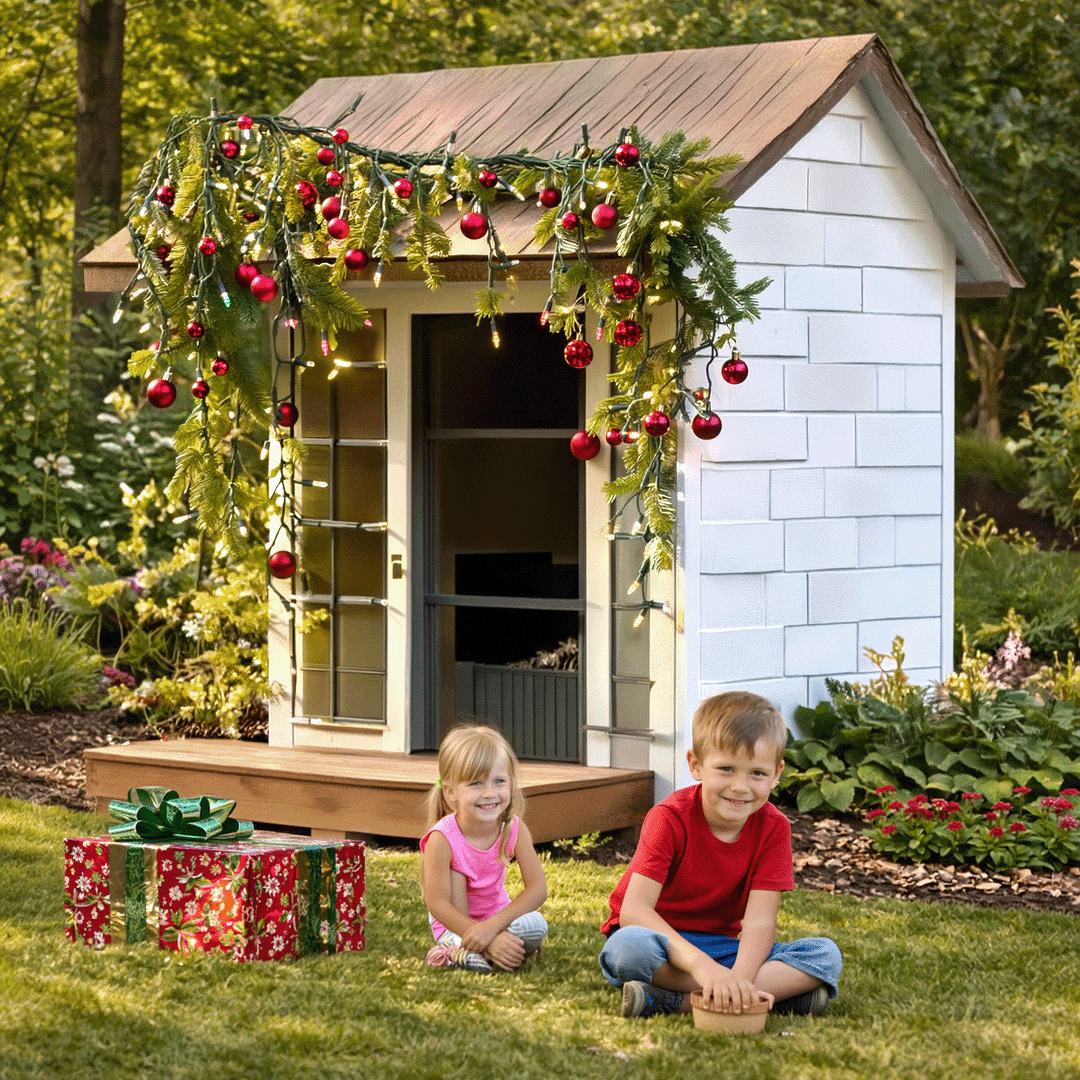
When children imagine the perfect home, the results are creative, surprising, heartwarming, and full of ideas adults often overlook.
Across the United States, children are doing something extraordinary. They are designing their dream homes. In classrooms, after-school programs, family projects, and creative contests, kids from all over the country are being invited to answer one simple question: If you could build your dream home, what would it look like?
The answers are imaginative, colorful, and often far more thoughtful than many people expect. Some children dream of homes with secret rooms, indoor slides, rooftop gardens, and treehouse-style bedrooms. Others imagine houses powered by solar energy, built with spaces for pets, grandparents, art studios, reading nooks, and giant playrooms. These dream home designs are not just fun drawings. They reveal how children think about comfort, family, adventure, and the future.
The idea that kids from all over the US designed their dream homes is more than a charming headline. It is a powerful reminder that children see homes differently. To them, a house is not just walls, windows, and a roof. It is a place where imagination lives, where relationships grow, and where everyday life can feel magical.
Why Children’s Dream Home Projects Matter
When children design dream homes, they are doing more than drawing pretty pictures. They are solving problems, expressing feelings, and imagining what makes a home truly special. These projects often combine creativity with practical thinking. Kids think about what they need, what makes them feel safe, what would make life more fun, and what would help the people they love.
This is one reason dream home design activities have become popular in schools and educational programs. They blend art, storytelling, engineering, and personal expression. Children are encouraged to think like artists, architects, and inventors at the same time.
These projects can also help adults understand how children view the world. A dream home drawing may reveal that a child values family closeness, nature, privacy, play, comfort, or even environmental responsibility. In many cases, kids include features that reflect their emotional needs just as much as their imagination.
What Kids Include in Their Dream Homes
One of the most fascinating things about children’s dream home designs is how different they are from one another. While adults often focus on square footage, resale value, or trends, children focus on possibility. Their homes are often designed around joy, curiosity, and personal meaning.
Adventure Features
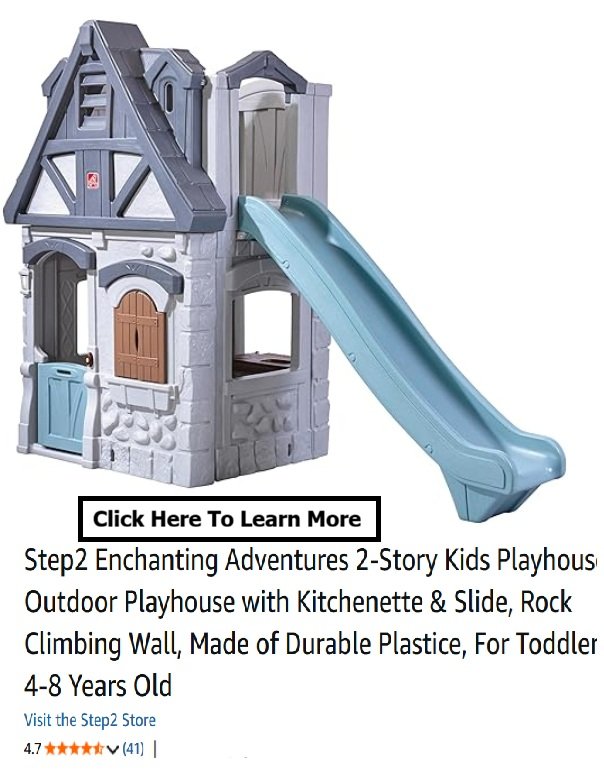
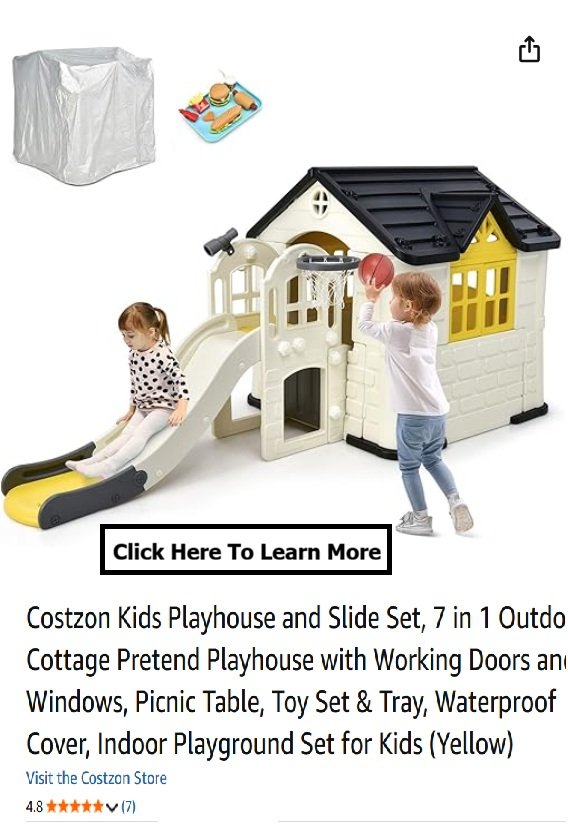
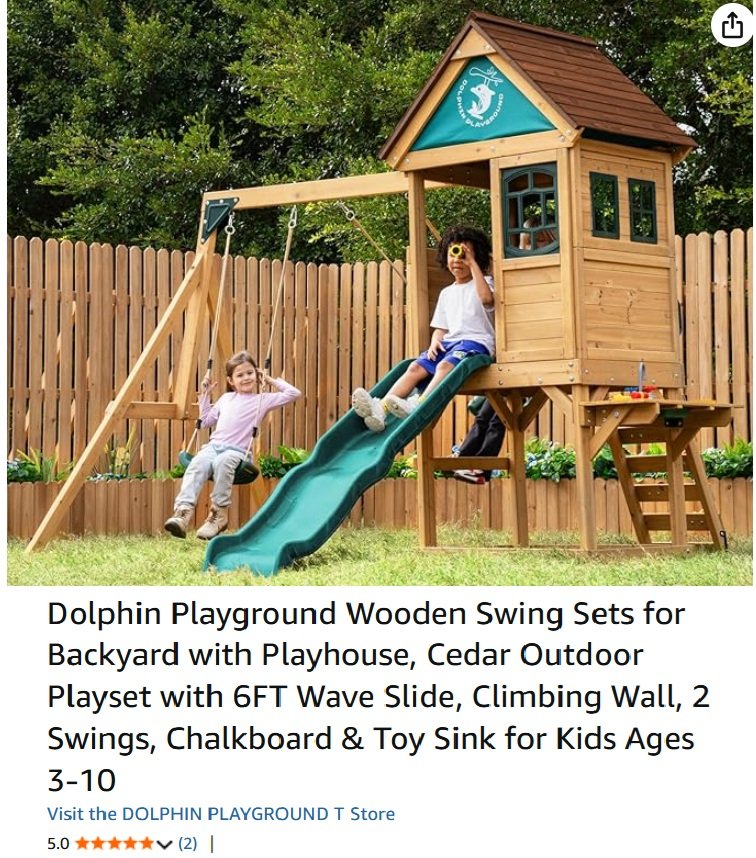
Many children design homes that feel like giant playgrounds. They imagine slides instead of stairs, climbing walls, tunnels between bedrooms, and hidden rooms behind bookshelves. Some create indoor obstacle courses, lofts for reading, or towers with lookout windows. In a child’s mind, a dream home should be exciting and full of discovery.
Nature-Inspired Spaces
Kids also love to bring nature into their dream homes. Many designs include rooftop gardens, treehouse bedrooms, flower-filled balconies, greenhouses, and large windows to watch birds and sunsets. Some children imagine houses built near forests, lakes, mountains, or beaches. These ideas show that many kids naturally connect comfort with the beauty of the outdoors.
Family-Centered Design
Many dream homes designed by children focus strongly on togetherness. Kids often include big kitchens, game rooms, movie rooms, family lounges, and spaces for grandparents or visiting cousins. Some even create bedrooms for pets or special rooms for family celebrations. These details show that, for many children, home is about sharing life with the people they love most.
Creative and Learning Spaces
Another common feature in children’s dream houses is a dedicated space for creativity. Art rooms, music rooms, reading libraries, science labs, craft corners, and homework spaces often appear in their designs. These additions reveal a powerful truth: children want homes that support both fun and learning.
Future-Friendly Features
Some children even think ahead in surprising ways. They include solar panels, rainwater systems, recycling centers, smart rooms, robot helpers, and eco-friendly materials. These dream homes reflect how deeply environmental awareness and technology have shaped the next generation’s thinking.
How Dream Home Design Encourages STEM Learning
There is a strong educational benefit when kids design homes. These projects naturally introduce important concepts from STEM learning, including science, technology, engineering, and math. Children must think about shape, size, balance, structure, materials, and function. Even when the designs are playful or unrealistic, the thinking behind them often involves real-world reasoning.
For example, when a child decides where to place windows, they are thinking about light. When they create a second floor, they are thinking about space. When they add a garden roof or solar panels, they are thinking about sustainability. When they sketch a floor plan, they are organizing ideas spatially and logically.
This is why many educators use home design projects to make learning more engaging. Children often become more invested when a project feels personal. Designing a dream home gives them a chance to learn through imagination instead of memorization.
What These Dream Homes Reveal About Kids Today
When kids from all over the US designed their dream homes, they revealed more than design ideas. They revealed what matters to them. Many children want homes that feel safe, joyful, open, and full of life. They want places where they can play, create, and spend meaningful time with the people and animals they care about.
Interestingly, many children also show concern for the environment and community. Some include shared gardens, energy-saving features, and spaces where neighbors can gather. Others design homes that are peaceful, colorful, and welcoming rather than flashy or extravagant. This suggests that many kids are thinking not only about comfort, but also about kindness and connection.
In a way, dream home projects become small windows into the hopes of a generation. They show how children imagine a better way to live. That is part of what makes these projects so inspiring.
Regional Inspiration Across the US
Children from different parts of the country often bring local inspiration into their dream home ideas. A child living near the mountains may imagine a cozy wood cabin with huge picture windows and a loft bed. A child near the beach might design a bright home with wide porches, sea colors, and outdoor showers. Kids in cities may picture rooftop play gardens, indoor reading corners, and creative use of small spaces. Children in rural areas may imagine large yards, tree forts, barns, and room for animals.
This regional variety makes the idea even more fascinating. Although kids from all over the US designed their dream homes in different ways, they often shared the same deeper wishes: freedom, beauty, comfort, play, and connection.
Why Adults Love Seeing Children’s Dream House Designs
Adults are often captivated by these home designs because they remind them of a way of thinking that is easy to lose over time. Children are not limited by budgets, building codes, or social expectations. They think first about wonder. That makes their ideas fresh and emotionally honest.
There is also something deeply touching about seeing what children believe home should be. Their designs often include thoughtful, loving details that adults might forget to prioritize. A quiet reading nook. A bedroom for a sibling. A sunny kitchen where everyone eats together. A backyard made for adventures. A room just for making art. These are not just design features. They are reflections of what children value in everyday life.
In many cases, adults come away from these projects inspired to rethink their own spaces. Even if they do not build a slide between floors or a tower with a telescope, they may start thinking more intentionally about joy, comfort, and togetherness at home.
Ideas for Encouraging Kids To Design Their Own Dream Homes
If you want to inspire children to create their own dream homes, the process can be simple and enjoyable. All you need is a chance for them to imagine freely.
Ways to get started:
- Give children paper, markers, and crayons to draw their dream house
- Ask them to label rooms and explain what each space is for
- Encourage them to build a model with cardboard, blocks, or craft materials
- Have them describe who lives there and what makes it special
- Ask how the home helps people play, relax, learn, and spend time together
- Invite them to include eco-friendly or future-ready features
These activities can work well at home, in classrooms, in homeschool projects, or as part of summer camps and creative clubs. The goal is not perfection. The goal is expression, exploration, and fun.
The Power of Imagination in Home Design
There is something beautiful about letting children lead the conversation about what makes a house feel like home. Their ideas may be playful, bold, and even impossible at times, but they are often rooted in something very real. Kids want spaces that feel alive. They want homes that support imagination, closeness, comfort, and adventure.
That is why the story that kids from all over the US designed their dream homes resonates so strongly. It captures a mix of innocence and insight. It shows that even the youngest designers have meaningful ideas about how people live, connect, and dream.
Final Thoughts on Kids From All Over The US Designed Their Dream Homes
When children design dream homes, they give us more than colorful sketches and fun ideas. They offer a glimpse into their values, hopes, and creative spirit. Some dream of castles, treehouses, eco-homes, or giant play spaces. Others dream of warm kitchens, family rooms, gardens, and places where everyone belongs.
The fact that kids from all over the US designed their dream homes reminds us that imagination is one of the most powerful design tools of all. It encourages us to look beyond what is ordinary and think more deeply about what makes a home meaningful. In the end, the most inspiring dream homes are not always the biggest or most expensive. They are the ones built around joy, love, creativity, and the freedom to imagine something wonderful.