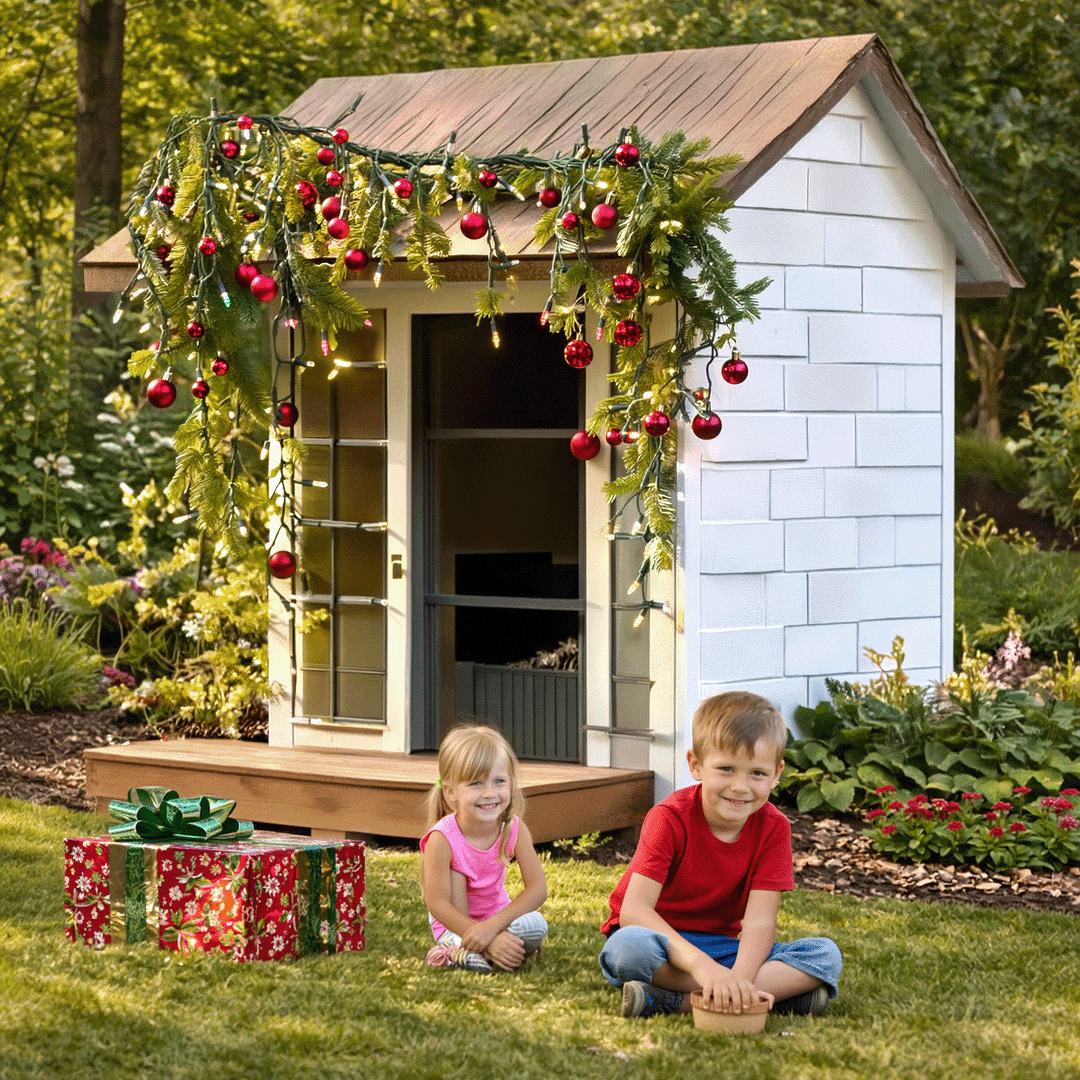
 Discover how to plan, build, and personalize a backyard playhouse that gives children a fun, creative, and memorable place to play.
Learning how to build a playhouse is one of the most rewarding projects a parent, grandparent, or DIY enthusiast can take on. A playhouse is more than a simple outdoor structure. It becomes a tiny world of imagination where children can pretend, explore, relax, and create their own adventures. In one afternoon, it may transform into a castle, a school, a pirate hideout, a secret clubhouse, or a cozy reading nook.
For adults, building a playhouse offers something just as meaningful. It provides the chance to create something lasting with your own hands. It can be a budget-friendly project, a way to improve your backyard, and a special gift children will remember for years. When done well, a playhouse combines function, charm, and fun in one structure.
If you have ever wanted to learn to build a playhouse, the process may be easier than you think. With a solid plan, the right materials, and attention to safety, you can create a beautiful backyard feature that encourages outdoor play and imagination.
Why Building a Playhouse Is a Great DIY Project
A playhouse is an ideal project for many do-it-yourself builders because it can be customized to fit different skill levels, budgets, and yard sizes. Some people choose a simple ground-level design with basic framing and a pitched roof. Others create elaborate cottage-style playhouses with porches, windows, flower boxes, and decorative trim.
One of the biggest advantages of building a playhouse yourself is flexibility. You can choose the design, size, materials, and features that best fit your family. You can keep the structure simple and affordable, or you can make it highly personalized with paint, signs, and creative details. Unlike a store-bought playhouse, a homemade design can feel unique and meaningful.
Another major benefit is the sense of satisfaction that comes from completing a project with lasting value. A playhouse is not just something children use for a week or two. It often becomes a centerpiece of childhood play and backyard memories.
Step 1: Plan the Playhouse Before You Build
The first step in building a playhouse is thoughtful planning. Good planning helps you avoid wasted materials, design mistakes, and frustration during construction. Before you begin, decide what type of playhouse you want to build and how it will fit into your space.
Questions to ask before starting:
- How much space is available in the yard?
- How many children will use the playhouse?
- What age range should the design accommodate?
- Do you want a basic structure or a more decorative design?
- Will the playhouse be ground-level or raised?
- What is your budget for materials and finishing touches?
Choosing a clear design direction early makes the entire project easier. Some people prefer a simple square or rectangular structure because it is easier to frame and roof. Others want a cottage look with charming details that make the playhouse feel like a miniature home.
Step 2: Choose the Best Location
Location matters as much as design. A well-placed playhouse will last longer, stay safer, and be more enjoyable to use. Choose an area that is level, easy to access, and visible from the house if possible. Supervision is easier when the structure can be seen from a window or patio.
Good drainage is also important. Avoid placing the playhouse in a low spot where water tends to collect after rain. If your yard gets a lot of moisture, choose a slightly elevated area or create a base that helps keep the floor dry.
Shade is another consideration. A partly shaded area can help keep the interior cooler during warmer months, while still giving children a comfortable place to play.
Step 3: Gather Materials and Tools
Once you have a plan and location, the next step is gathering your materials and tools. The exact list will depend on your design, but most DIY playhouse projects use similar basics.
Common materials include:
- Pressure-treated lumber for the base
- Framing lumber for walls and roof
- Plywood or exterior wall panels
- Wood screws and nails
- Roofing material such as shingles or corrugated panels
- Exterior paint or wood sealant
- Trim, hardware, and optional decorative details
Basic tools often include:
- Measuring tape
- Drill and driver bits
- Circular saw or miter saw
- Hammer
- Level
- Speed square
- Sander or sanding block
- Safety glasses and gloves
Choosing weather-resistant materials is especially important if the playhouse will stay outdoors year-round. Exterior-grade lumber, paint, and roofing materials can help protect the structure from rain, sun, and seasonal wear.
Step 4: Build a Strong Foundation
The foundation is one of the most important parts of the project. A stable base keeps the playhouse level, protects it from shifting, and extends its lifespan. Even a small structure should have a carefully prepared foundation.
Many DIY builders start by leveling the ground and placing gravel, deck blocks, or concrete pavers beneath the base frame. A simple wood platform frame made from treated lumber is then assembled and secured. Plywood flooring is attached on top to create the playhouse floor.
A good foundation helps prevent problems later. If the base is uneven, the walls and roof may become difficult to align. Taking extra time here often saves time and frustration during the rest of the build.
Step 5: Frame the Walls
Once the base is ready, the walls can be framed. This is the stage where the playhouse starts to look like a real structure. Most walls are built flat on the ground first and then lifted into place. This makes it easier to measure and secure the framing accurately.
When framing the walls, include door and window openings based on your design. Keep proportions child-friendly while still making the structure practical and comfortable to use. If you want the playhouse to stay useful longer as children grow, you may choose slightly taller walls or a more spacious doorway.
Careful measuring matters here. Square corners, level studs, and properly aligned openings make it much easier to install siding, trim, and roofing later.
Step 6: Add the Roof
The roof gives the playhouse its finished shape and protects it from the weather. A simple shed-style roof is often easiest for beginners because it uses one sloping plane. A gable roof, which has two sloping sides that meet at the top, gives the playhouse a classic cottage look.
Whatever roof style you choose, it should be framed securely and covered with weather-resistant material. Shingles, roofing felt, or lightweight panels can all work depending on the design. Make sure the roof overhangs enough to help direct water away from the walls.
A well-built roof improves both appearance and durability. It is one of the details that makes the difference between a temporary structure and a long-lasting backyard feature.
Step 7: Install Siding, Doors, and Windows
With the frame complete, the walls can be covered with plywood panels, board-and-batten siding, or other exterior materials. This stage gives the playhouse its finished outer shell and adds strength to the structure.
Windows and doors can be kept very simple or made more decorative depending on your style. Some builders leave window openings open for ventilation and visibility. Others add trim, shutters, or lightweight window inserts. A child-sized door can make the playhouse feel more magical, while a wider opening may be more practical for everyday use.
Small details at this stage have a big impact on the overall personality of the build.
Step 8: Paint and Personalize the Playhouse
This is often the most enjoyable part of the project. Paint and decorative details transform a basic wooden structure into a cheerful, inviting place that feels special to a child. Bright colors, trim accents, and themed touches help the playhouse stand out in the yard.
Popular ways to personalize a playhouse include:
- Painting it in bright or cottage-style colors
- Adding flower boxes under the windows
- Installing a chalkboard wall
- Hanging a small sign with the playhouse name
- Adding child-sized furniture or cushions inside
- Using curtains, rugs, or toy kitchen accessories
Letting children help choose paint colors or decorations can make the project even more meaningful. Their input gives the playhouse personality and helps them feel connected to the space.
Step 9: Make Safety the Top Priority
Because the playhouse is built for children, safety should guide every decision. Every surface, corner, and attachment should be checked carefully before the playhouse is used.
Important safety steps include:
- Sanding rough wood to reduce splinters
- Using non-toxic paint or finishes
- Securing all screws and nails properly
- Checking that the structure is stable and level
- Adding railings for any raised areas
- Avoiding sharp edges or fragile materials
- Anchoring the structure if necessary for wind resistance
It is better to keep the project simple and sturdy than to add features that may reduce safety. A clean, strong design with thoughtful details is often the best approach.
Helpful Tips for Beginners
If this is your first time building a playhouse, do not feel pressured to make it elaborate. A simple design can still be beautiful and fun. Starting small often makes the project more manageable and more enjoyable.
It also helps to build with future upgrades in mind. You can begin with a basic structure and later add trim, flower boxes, a porch, a slide, or other details. This approach spreads out both the work and the cost while giving you flexibility over time.
Another smart idea is to build slightly larger than you think you need. Children grow quickly, and a little extra headroom or floor space can help the playhouse stay useful longer.
Why a Homemade Playhouse Creates Lasting Memories
A homemade playhouse is not just a carpentry project. It becomes part of childhood. Long after the tools are put away, the playhouse may continue serving as a place for storytelling, games, quiet afternoons, and shared family moments. It can become one of those backyard landmarks children remember even when they are older.
That emotional value is part of what makes the project so worthwhile. When you learn to build a playhouse, you are not just learning construction skills. You are creating a place where imagination can grow.
Final Thoughts on Learn To Build A Playhouse
If you want a DIY project that combines creativity, practicality, and lasting meaning, building a playhouse is an excellent choice. With good planning, solid materials, and careful attention to safety, you can create a structure that brings years of fun and adds charm to your backyard.
The process does not need to be complicated. Start with a simple plan, focus on a strong base, build carefully, and personalize the space with details that make it feel magical. In the end, the most valuable part of the project is not just the finished playhouse. It is the joy, imagination, and memories that grow inside it.
Build A Playhouse Related Articles
- Contractor Version Blueprint: 6' x 6' Kids Playhouse
- Creating An Excellent Playhouse
- Excellent Plans And Playhouse Ideas
- Free Blueprints To Build Children Playhouses
- Is It Better To Buy Or To Build Your Own Kids Play House?
- Kids From All Over The US Designed Their Dream Homes
- Learn To Build A Playhouse
- Make Your Kids Happy By Building Them A Playhouse
- Playhouse on Stilts - Garden Rooms