
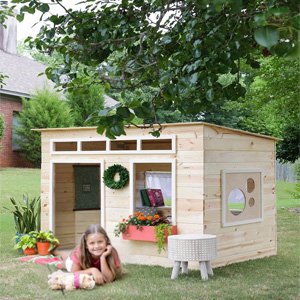
Build a magical backyard retreat with free playhouse blueprints, smart planning, and creative ideas your children will love.
Every child dreams of having a special place to call their own. A playhouse is more than a small wooden structure in the yard. It becomes a castle, a school, a pirate hideout, a cozy reading nook, or a pretend café where imagination comes alive. For parents, grandparents, and DIY builders, the good news is that you do not need to spend a fortune to make that dream real. With the right free blueprints to build children playhouses, a few tools, and some creativity, you can create a safe and beautiful play space that becomes the center of childhood memories.
Whether you want a simple starter structure or a charming cottage-style backyard playhouse, free plans can help you save money while giving you the flexibility to customize every detail. This guide explains what to look for in a blueprint, the different types of playhouses you can build, what materials you may need, and how to create a fun and safe backyard feature your children will treasure.
Why Build a Children’s Playhouse?
A well-built playhouse offers more than entertainment. It gives children a place to imagine, explore, and develop independence. In a world filled with screens and constant distractions, a backyard playhouse encourages open-ended play and outdoor activity.
Parents often find that a playhouse becomes one of the most loved features in the yard because it supports creative thinking, social play, and quiet personal time. It can also add charm and personality to your outdoor space. When built with quality materials and a thoughtful design, it may even grow with your family and continue being useful for years.
Using free playhouse blueprints also allows you to choose a design that fits your skill level, your budget, and the space you have available. That flexibility is one of the biggest reasons DIY playhouses remain so popular.
What to Look for in Free Playhouse Blueprints
Not all free plans are equally helpful. Some offer detailed measurements and instructions, while others are more like general sketches. To avoid frustration, choose blueprints that give you a complete roadmap from start to finish.
Important features of quality blueprints include:
- Step-by-step building instructions
- Full material list
- Cut list for lumber and panels
- Clear measurements and dimensions
- Roof, floor, and wall framing details
- Safety notes for children’s use
- Optional upgrades or customization ideas
The best children’s playhouse blueprints are easy to follow and help you understand the order of each building step. If you are a beginner, look for simple plans that use standard lumber sizes and basic framing methods.
Popular Types of Free Blueprints To Build Children Playhouses
1. Simple Ground-Level Playhouse
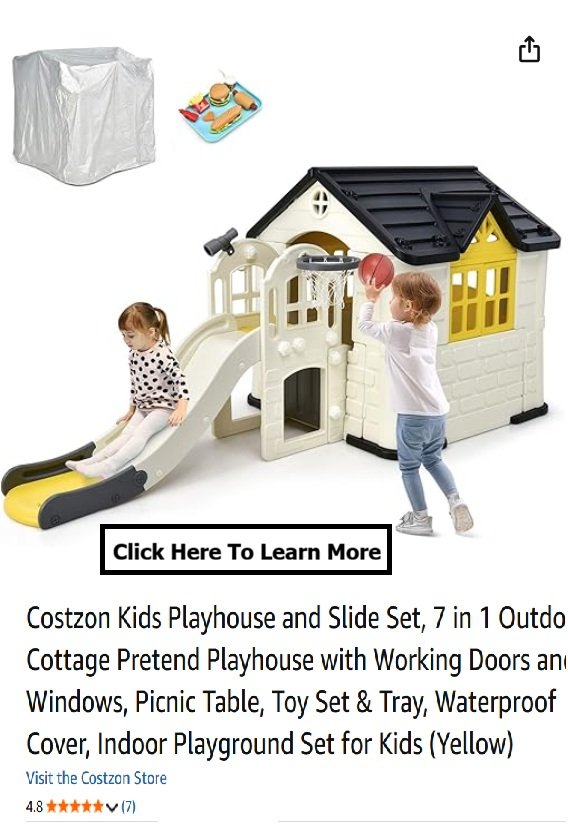
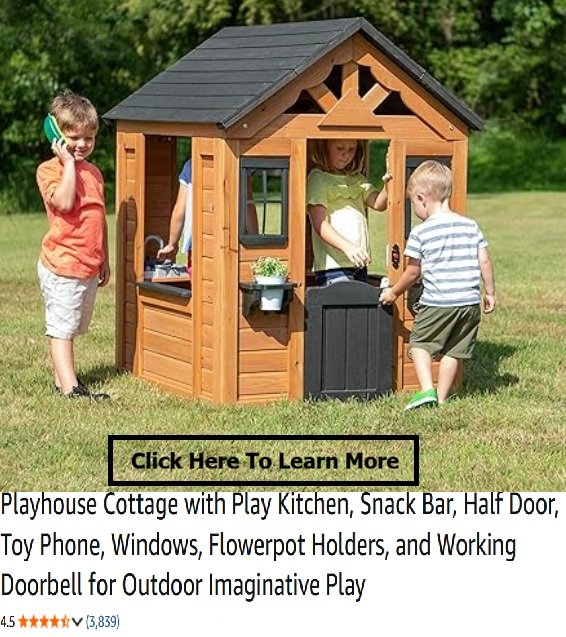
A simple ground-level playhouse is one of the easiest and most affordable projects for beginners. These designs are often square or rectangular with a door, a few windows, and a basic pitched roof.
This style works well for families who want a practical project without advanced carpentry. It usually requires fewer materials, less cutting, and less structural support than raised designs. It also makes access easier for younger children.
Best for: beginners, smaller yards, tighter budgets
2. Raised Playhouse
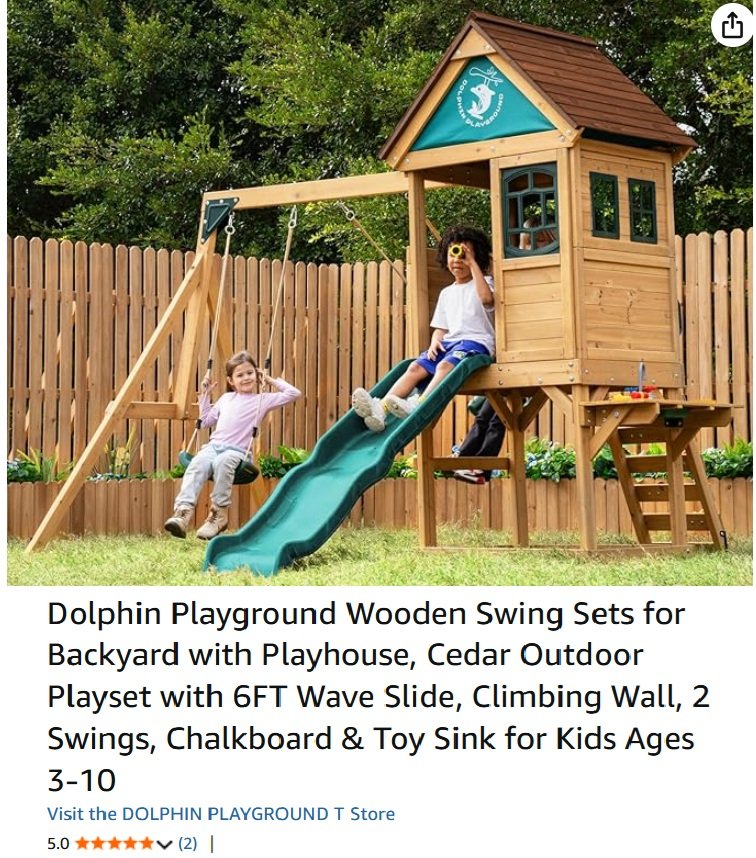
A raised playhouse adds excitement because children feel like they are climbing into a special elevated world. Many free plans include stairs, a ladder, a small porch, or even a slide.
This type of playhouse can be a wonderful choice for adventurous kids, but it requires extra attention to support posts, railings, and anchoring. If you choose this style, safety features should be built into the design from the start.
Best for: adventurous children, larger backyards, more advanced DIY builders
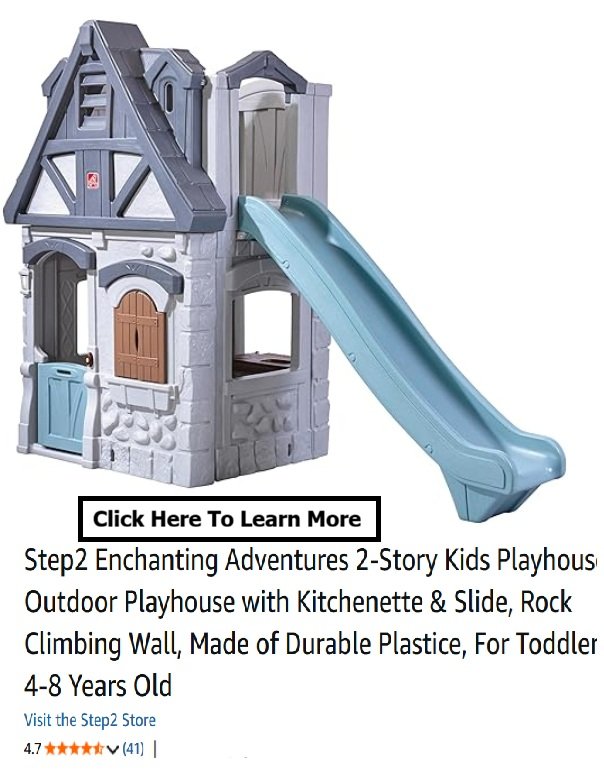
3. Cottage-Style Playhouse
If you want a playhouse that looks charming and picture-perfect, a cottage-style design is a beautiful option. These plans often include flower boxes, shutters, decorative trim, porch details, and extra windows that make the structure feel like a tiny real home.
This type of build is ideal for families who want the playhouse to enhance the backyard visually while giving children a magical place to play.
Best for: decorative backyard spaces, themed play, family photo moments
4. Treehouse-Inspired Playhouse
Some free blueprints create the look and feel of a treehouse even when no tree is used. These elevated structures can include rustic details, lookout windows, and adventurous features that feel like a woodland hideaway.
A treehouse-inspired playhouse can be exciting and memorable, but it needs strong framing, stable support, and careful planning. If an actual tree is involved, take special care not to damage the tree or compromise the structure.
Best for: nature-inspired yards, families wanting a more adventurous design
Benefits of Using Free DIY Playhouse Plans
One of the biggest benefits of free plans is obvious: cost savings. Buying a prebuilt playhouse can be expensive, especially when delivery and installation are added. Building from free blueprints allows you to control the budget and choose materials that fit your needs.
There is also the benefit of customization. You can paint the walls any color, add curtains, build a tiny front porch, install a chalkboard wall, or create themed details based on your child’s interests. The result feels more personal than something bought from a catalog.
DIY building also gives you the satisfaction of creating something meaningful with your own hands. Many families remember building projects as much as they remember the finished structure itself.
Common Materials Needed to Build a Children’s Playhouse
Most DIY playhouse plans call for standard building materials that are readily available at home improvement stores. The exact list will depend on the style and size of the structure, but many builds use the same basics.
Typical materials include:
- Pressure-treated lumber for the base
- Framing lumber for walls and roof
- Plywood or exterior panels
- Deck screws or wood screws
- Nails and framing hardware
- Roofing material such as shingles or panels
- Exterior paint, primer, or sealant
- Window trim and door hardware
If the playhouse will sit directly outdoors year-round, weather-resistant materials are a smart investment. A properly sealed and painted playhouse will last longer and stay more attractive over time.
Basic Tools You May Need
Many free playhouse blueprints are designed for standard DIY tools. Before you begin, it helps to gather everything so the project moves smoothly.
- Tape measure
- Drill and driver bits
- Circular saw or miter saw
- Hammer
- Level
- Speed square
- Safety glasses and gloves
- Sander or sanding block
Having the right tools not only makes building easier, but it also improves the accuracy and safety of the final structure.
Safety Tips for Building Children’s Playhouses
Because this structure is made for children, safety should be your highest priority. Even the most charming design needs to be built with careful attention to stability, surfaces, and materials.
Important safety tips include:
- Sand rough edges to reduce splinters
- Use non-toxic exterior paint or child-safe finishes
- Anchor the structure if needed for wind stability
- Install secure railings on raised platforms
- Keep steps and ladders sturdy and age-appropriate
- Cover or recess screws and hardware where possible
- Avoid sharp edges and fragile decorative materials
If your playhouse includes electricity, lighting, or other extras, those additions should be installed with proper safety standards in mind. For most families, keeping the structure simple is the safest and easiest choice.
Creative Ideas to Personalize a Backyard Playhouse
Once the main structure is built, the fun really begins. Personalization turns a basic playhouse into a magical destination. Children love details that make the space feel like their own special world.
Popular playhouse add-ons include:
- Flower boxes under the windows
- A chalkboard wall for drawing
- A tiny mailbox
- Child-sized furniture
- Mini curtains or fabric shades
- A toy kitchen area
- Battery-operated lights
- A sign with the playhouse name
You can theme the playhouse around a cottage, schoolhouse, market stand, fairy house, or adventure fort. A little paint and imagination can completely transform the design.
Build for the Future
Children grow quickly, so it helps to think ahead while building. A playhouse that is slightly taller, a bit sturdier, and designed with future upgrades in mind will stay useful longer.
You might choose a wider doorway, reinforce the flooring, or design the roof to handle future improvements such as decorative trim or a small covered porch. Planning ahead can make your build more valuable over time and help the playhouse adapt as your children’s interests change.
Why Free Blueprints Are a Smart Choice
Free blueprints remove one of the biggest barriers to building: the cost of professional plans. They open the door for families who want to create something wonderful without overspending. Many free plan sources provide surprisingly detailed diagrams and instructions that rival paid designs.
By choosing the right plan, using weather-appropriate materials, and focusing on safety, you can create a backyard playhouse that delivers years of joy. More than that, you build something personal. You build a place where games are invented, stories are acted out, and happy memories begin.
Final Thoughts on Free Blueprints To Build Children Playhouses
A playhouse is one of those projects that offers more than a finished structure. It creates a world of imagination, independence, and family connection. With the help of free blueprints to build children playhouses, you can turn basic materials into something memorable and meaningful.
Whether you choose a simple ground-level design or an elaborate raised cottage, the result can become a cherished part of childhood. The wood, paint, and nails matter, but what matters even more is what happens inside that little house after it is built. That is where adventures begin.