
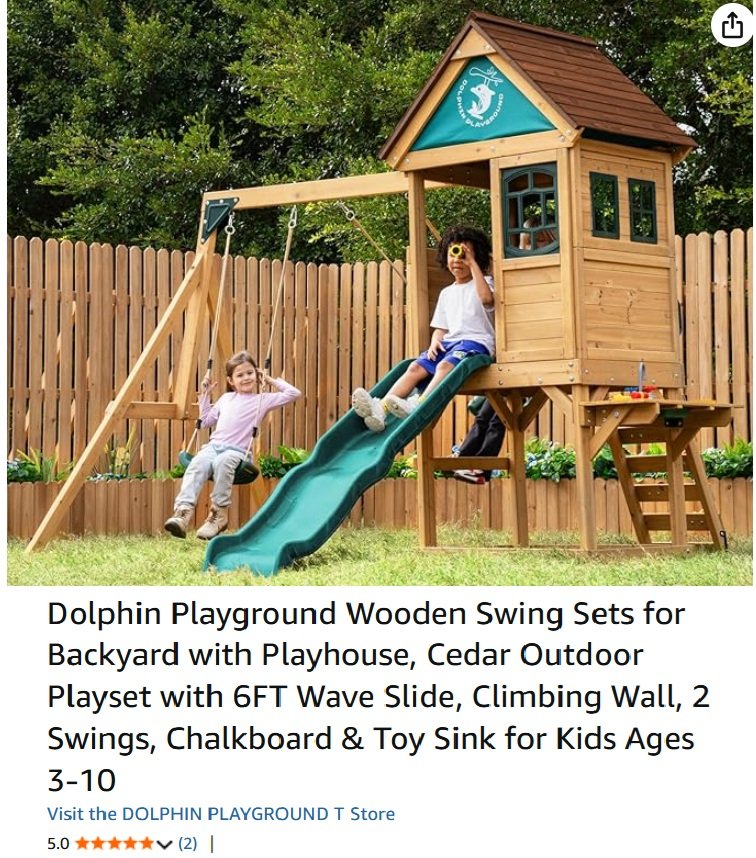
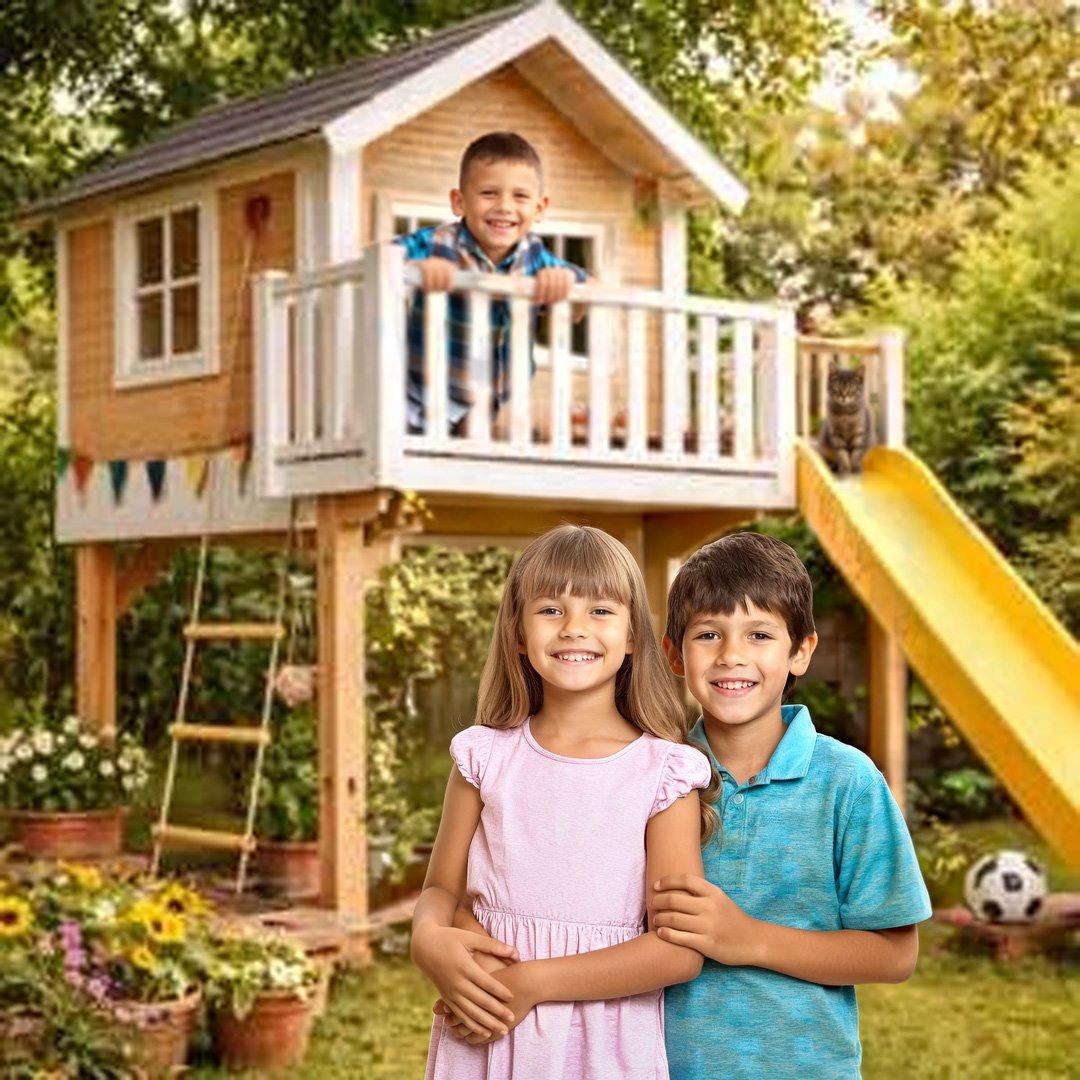
Explore how a raised playhouse can create a magical children’s retreat above and a useful garden room below.
A playhouse on stilts is one of the most imaginative and practical ways to transform a backyard. It combines the excitement of a treehouse-style hideaway with the usefulness of a garden room, creating a design that feels playful, smart, and visually striking at the same time. Instead of using valuable yard space for a simple ground-level structure, this elevated approach opens up possibilities both above and below.
For children, a raised playhouse instantly feels more exciting than an ordinary backyard building. Climbing up to a special space gives them a sense of adventure, independence, and imagination. For parents, it offers something equally valuable: a more efficient use of outdoor space, better protection from moisture, and a unique backyard feature that adds charm and functionality.
That is why the idea of playhouse on stilts - garden rooms has become so appealing. These structures are not just places for children to play. They are dual-purpose backyard features that can serve as elevated playrooms, shaded lounge spaces, storage zones, mini patios, or creative garden escapes.
What Is a Playhouse on Stilts?
A playhouse on stilts is a small structure raised above the ground on strong support posts. It is similar in spirit to a treehouse, but it is often freestanding rather than attached to a tree. The house itself sits on a raised platform supported by vertical posts, beams, joists, and bracing.
This elevated structure creates a dedicated play space above while leaving usable area beneath it. That lower area is where the “garden room” concept comes in. Instead of the footprint serving only one purpose, the raised design allows you to create two separate zones in the same backyard space.
Depending on the design, the lower level can be left open as a shaded play area, turned into a small seating nook, used for toy and garden storage, or styled as an outdoor retreat. This makes a playhouse on stilts far more versatile than many standard playhouses.
Why Garden Rooms and Elevated Playhouses Work So Well Together
The phrase garden rooms fits this idea beautifully because the space below a raised playhouse can function like an outdoor room. It is protected from direct sun, has a clear boundary, and can be styled in ways that make it feel cozy and useful. In smaller yards especially, this design helps make the most of every square foot.
A shaded area under the playhouse can become a reading corner with cushions, a little café area for pretend play, a sandbox, or a quiet sitting space for parents. Some families even use it as a compact storage area for tools, outdoor toys, or gardening supplies. Instead of wasting the space below, you turn it into part of the overall experience.
This dual-purpose design is what makes playhouse on stilts - garden rooms such a powerful concept. It blends imagination with practical outdoor living.
Benefits of a Playhouse on Stilts
Maximizes Backyard Space
One of the biggest benefits of building a raised playhouse is that it gives you two usable zones within one footprint. In a compact backyard, this can make a major difference. Instead of choosing between a playhouse and another outdoor feature, you can enjoy both levels at once.
Creates More Adventure for Kids
Children naturally love elevated spaces. A playhouse on stilts feels exciting because it is off the ground and slightly separated from the rest of the yard. That sense of elevation turns an ordinary structure into a destination. For many kids, climbing stairs or a ladder into a small house feels like entering a secret world.
Adds Visual Appeal
Raised playhouses often look more distinctive than ground-level structures. They can resemble mini cottages, tiny cabins, or freestanding treehouses, which gives the backyard a more charming and custom-designed appearance. This makes them both playful and decorative.
Improves Drainage and Airflow
By lifting the structure off the ground, you reduce its direct exposure to wet soil and standing moisture. Air can move beneath the floor platform, which helps the structure dry more quickly after rain. In damp climates, this can extend the life of the playhouse significantly when combined with the right materials and finishes.
Offers Flexible Long-Term Use
As children grow, a raised playhouse can evolve with them. What begins as a play area may later become a reading retreat, a quiet hangout space, or even a charming garden feature that remains useful after the early play years are gone.
Basic Structural Components of a Playhouse on Stilts
A safe and durable elevated playhouse depends on strong structural support. This is not a lightweight decorative feature. It is a raised building that must be planned and built with stability in mind.
Main structural elements include:
- Vertical support posts such as 4x4 or 6x6 lumber
- Beams to connect and support the posts
- Floor joists to carry the platform load
- Platform decking or plywood subfloor
- Wall framing for the upper playhouse
- Roof framing and weather-resistant roofing
- Diagonal bracing to reduce sway
- Guardrails and safe access points
Stability is one of the most important parts of the design. Because the structure is elevated, good anchoring, correct fastening, and proper load support are essential.
Typical Dimensions for a Raised Playhouse
The size of a backyard playhouse on stilts can vary depending on the yard and the age of the children using it. Many family-sized builds fall into a practical range that balances fun, safety, and visual proportion.
- Platform height above ground: 4 to 8 feet
- Platform size: 5x5 feet to 8x8 feet
- Guardrail height: 30 to 36 inches
- Stair width: 24 to 30 inches
- Roof height: based on design and local yard scale
These dimensions create a structure that feels adventurous without becoming too large or difficult to manage in a backyard setting.
Access Options for a Playhouse on Stilts
How children get into the playhouse is an important part of both the design and the experience. Access should be chosen based on the age of the children, available space, and the overall style you want.
Common access choices include:
- Wooden stairs for the safest and easiest access
- A ladder for a more compact footprint
- A rope ladder for a more adventurous look
- A small climbing wall for added play value
- A slide for coming down from the playhouse
Many families prefer a combination such as stairs up and a slide down. This setup offers practical access while making the structure more fun to use.
Safety Essentials for Raised Playhouses
Any elevated structure must be built with safety as the top priority. A beautiful playhouse means little if it is not stable and secure. Because the structure is off the ground, safety details are not optional.
Important safety features include:
- Proper anchoring of posts in concrete or on approved footings
- Strong beams and joists sized for the expected load
- Diagonal bracing to prevent wobble
- Guardrails on all open edges
- Non-slip stair surfaces or secure ladder rungs
- Smooth, sanded edges to reduce splinters
- Exterior-rated hardware and fasteners
It is always better to overbuild a raised playhouse than to underbuild it. Stability, strength, and careful finishing should guide every step of the project.
Weather Considerations for Garden Room Playhouses
One of the advantages of an elevated design is that it can handle moisture better than a structure placed directly on the ground. Still, weatherproofing matters greatly, especially in rainy climates.
Using pressure-treated posts and floor framing, sealing cut ends, adding good roof overhangs, and keeping all structural wood away from direct ground contact can significantly improve durability. Exterior-rated screws, brackets, and hardware are also important. The lower garden room area should drain well and avoid trapping moisture around the posts.
In many cases, a playhouse on stilts actually performs better than a ground-level structure in damp environments because airflow under the platform helps reduce lingering moisture.
Creative Design Ideas for Playhouse on Stilts - Garden Rooms
One of the most exciting parts of this type of project is the design freedom it offers. A raised playhouse can be styled in many ways depending on the look you want for the yard.
Popular ideas include:
- Cottage-style playhouse with flower boxes and trim
- Modern minimalist raised cabin look
- Rustic treehouse-inspired design
- Playhouse with a tiny balcony or porch
- Garden room below with bench seating or a hammock
- Sandbox or shaded toy zone underneath
- String lights or lantern-style lighting for charm
The lower area can also be finished in a way that complements the upper playhouse. For example, the top can feel like a storybook retreat while the lower level becomes a calm little garden nook. This balance of function and beauty is part of what makes the concept so appealing.
Is a Playhouse on Stilts Worth It?
For many families, the answer is yes. A raised playhouse gives children a more adventurous experience than a basic structure, while also giving adults a more efficient and attractive use of backyard space. It offers dual functionality, stronger visual impact, and the possibility of long-term use beyond childhood.
Unlike many backyard play features that serve only one phase of life, a well-built elevated playhouse can continue to be useful and charming as the years go on. Even when children outgrow it, the structure can remain a unique garden feature or be adapted into a decorative retreat.
Final Thoughts on Playhouse on Stilts - Garden Rooms
A playhouse on stilts - garden rooms design is one of the smartest and most imaginative ways to combine play, function, and outdoor beauty. It turns a simple backyard project into a two-level experience: a magical retreat above and a useful outdoor room below.
For children, it creates excitement, independence, and a place to dream. For parents, it offers smart space use, visual charm, and long-term value. Whether styled as a tiny cottage, a mini cabin, or a treehouse-inspired hideaway, a raised playhouse adds a sense of wonder to the yard that few other structures can match.
When planned well and built safely, it becomes far more than a playhouse. It becomes a destination.